
It’s one of the most common questions after someone gets a solar quote – do I need the battery, or can it wait? There’s no single right answer, but there is a way to work out whether battery storage for solar panels makes sense for your household specifically.
The short version: it depends on how much electricity you use in the evening, and how much you’re currently exporting to the grid for next to nothing. Here’s how to think it through properly.
What Does a Solar Battery Actually Do?
Without a battery, any electricity your panels generate that you don’t use straight away gets exported to the grid – usually for a few pence per unit through the Smart Export Guarantee. With a battery, that surplus gets stored instead, ready for you to use once the sun’s down.
For most households, that means running the evening – dinner, TV, washing machine – on power you already generated for free that afternoon, rather than buying it back from the grid at a much higher rate.
Battery Storage for Solar Panels Cost
This is usually the deciding factor. Battery storage for solar panels cost typically runs:
- Small battery (2.5–5kWh): £2,500–£4,000
- Mid-size battery (5–10kWh): £4,000–£6,500
- Larger battery (10kWh+): £6,500–£9,000+
Most family homes land in the mid-size range, which usually covers evening use without over-spending on capacity you’ll rarely need.
When a Battery Makes Sense
You’re Out During the Day
If most of your household is at work or school until evening, your panels generate power all day while nobody’s using much of it. A battery captures that instead of exporting it away for pennies.
You Have High Evening Usage
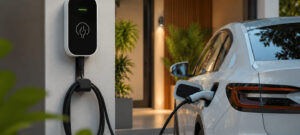
Cooking, charging an EV overnight, or running appliances in the evening all pull from the grid unless you’ve stored power to use instead.
Your Export Rate Is Low
If your SEG rate is on the lower end, exporting surplus power barely makes a dent in your bill. Storing it and using it yourself is usually worth more per unit than selling it back.
When It Might Not Be Worth It Yet
Batteries aren’t automatically the right call for everyone. A few scenarios where it’s worth waiting:
- You’re mostly home during the day and already using most of your solar output as it’s generated
- Your export rate is genuinely competitive
- Budget’s tight and the panels themselves are the priority for now
There’s nothing wrong with adding a battery later – most systems are designed to accept one down the line, so skipping it now doesn’t lock you out of the option.
Is a Solar Battery Worth It Long-Term?
For most households with decent evening usage, yes – the extra upfront cost is usually recovered through lower bills over several years, and battery prices have been coming down as the technology’s matured.
It’s less about whether batteries “work” and more about whether your specific household would actually use the stored power. That’s the calculation worth doing before committing.
Why Homeowners Choose Felix Electrical Services
Felix Electrical Services fits solar and battery systems for homeowners across Tunbridge Wells, and every quote includes a clear breakdown of your battery storage for solar panels cost alongside an honest read on whether it suits your usage pattern – not just an upsell tacked onto the panels.